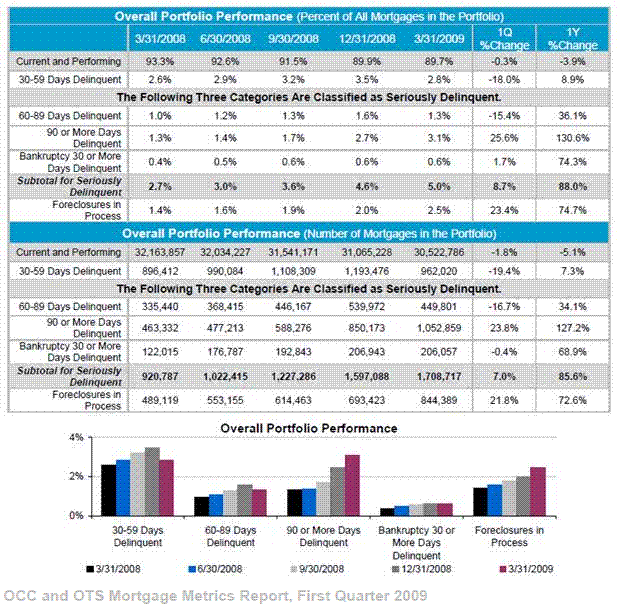
A joint report from the OCC and OTS, which includes 64% of all outstanding mortgages, shows that instances of delinquency continued to increase in the second quarter. Particularly of note is the increasing growth rate of delinquencies among loans backed by prime borrowers. In general, the rate of increase in delinquencies slowed somewhat, but the report notes this may be partially due to seasonal effects.
Unequivocally positive however, was the dramatic increase in the number of loan modifications.
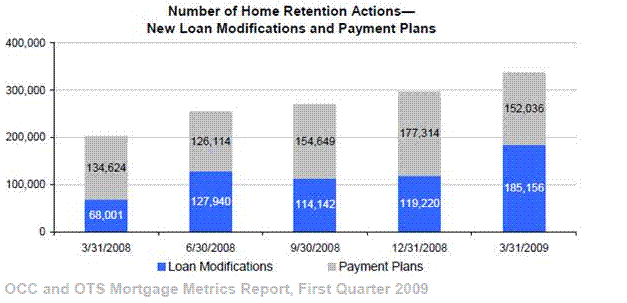
The report notes "The impact of this increase in modifications, particularly those with reduced monthly payments, will only be seen in future data. Likewise, the number of modifications recorded in this report does not reflect actions taken under the Administration's "Making Home Affordable" program, which was announced in March and implemented after this reporting period.
Roughly 9 out of 10 loans were current at the end of the quarter, about the same percentage as the previous quarter. However, the proportion of seriously delinquent loans increased with loans "60 or more days past due and loans to delinquent bankrupt borrowers increasing by nearly 9 percent from the previous quarter to 5 percent of all mortgages in the portfolio."
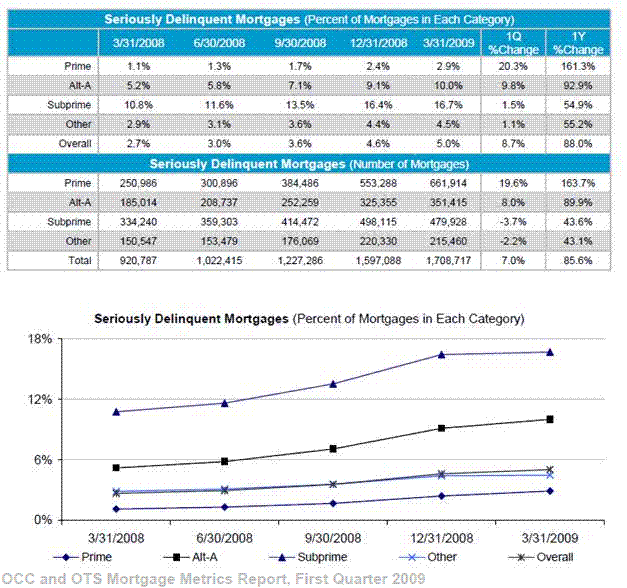
By segment, prime loan delinquencies increased more than 20% to a total of 2.9%. This segment accounts for over 2/3rds of the portfolio. Though not as rapid as the prime loan increase, the subprime segment also rose 1.5% over the previous quarter.
Following the expiration of the foreclosure moratorium (March 6, 2009), the number of foreclosures in process increased to 844,389 and now account for 2.5% of the portfolio. This was a 21.8% increase in foreclosure activity versus the previous quarter and 72.6% increase versus the same quarter a year ago. With prime loans already understood to comprise a vast majority of the portfolio, this trend is expected to continue as many borrowers took ARM terms that locked in their interest rate for 5 to 10 years. The data shows that in addition to increasing foreclosures, 90+ day delinquencies are increasing at a far greater pace than 30-60 or 60-90 day delinquencies (which have actually decreased in some cases).
But the dire numbers are not without some redemption. Home retention actions in the form of loan modifications and payment plans are increasing at a rapid rate as well, somewhat offsetting the negative data. New retention actions rose 55.3% Unfortunately, any impacts of these actions on foreclosure and delinquency statistics will not be observed until next quarter's report.

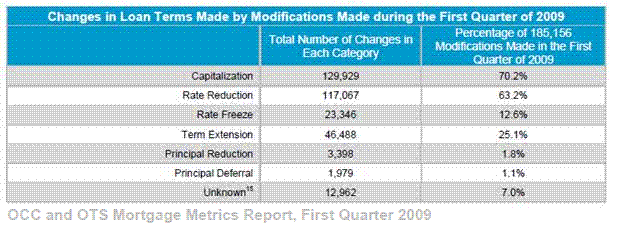
Of these plans, a majority involve reduced interest rates and the capitalization of late payments and fees. Contrary to some opinions we've heard, the percentage of loan balances that are actually reduced is largely insignificant at just 1.8%.
In addition, another surprising finding is that almost half of all modification in the portfolio DID NOT involve a decrease in monthly principal and interest payment.
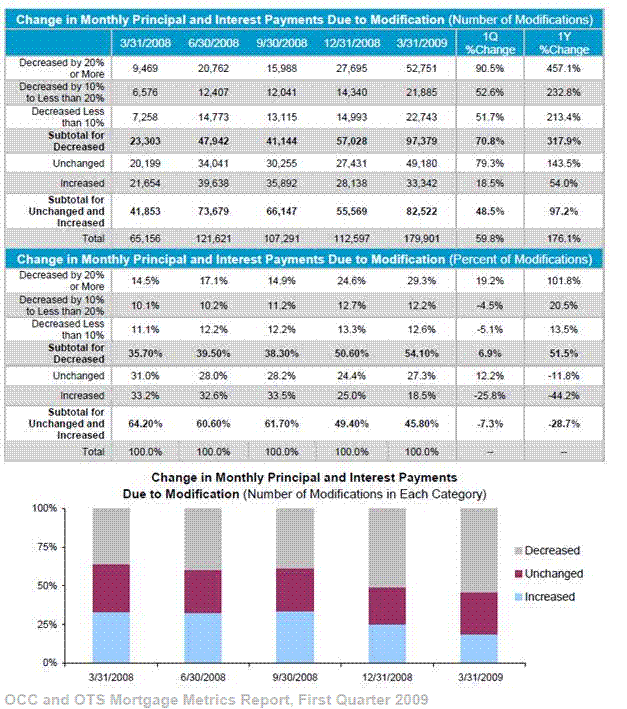
HOWEVER, the report notes that modifications where payments were reduced have led to fewer re-defaults. Hopefully this data will lead servicers to more freely structure loan modifications in a manner that will reduce monthly payments.
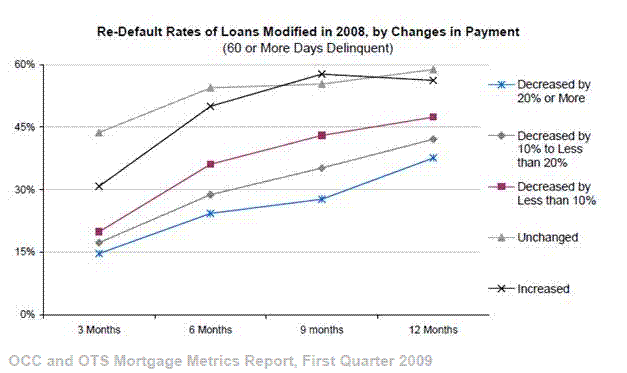
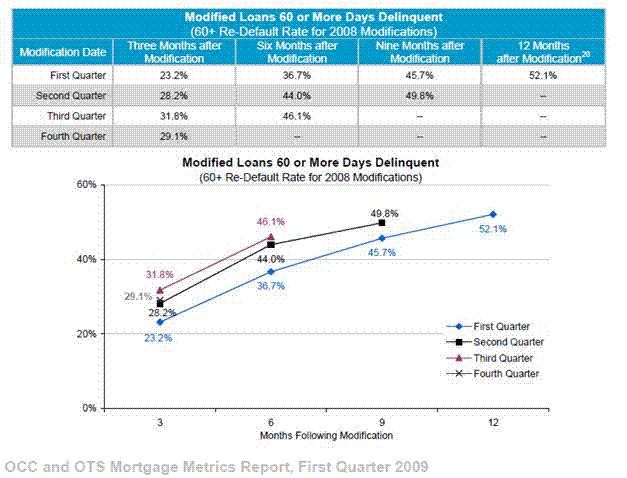
With the rapid increase in work-outs, the question of long term viability grows more and more important. To that end, the report has added data to address this issue by comparing the performance of modifications implemented during 2008 with modifications completed in first quarter of 2009. In other words, "sure, it's great that all these loans are being modified, but is that a sustainable solution to the problem?"
The data indicates that although the overall amount of delinquency is ultimately decreased, the re-default rates remain quite high, and increase with time.